KDD'26 Workshop on
SciSoc Agents & LLMs
Agentic AI for Scientific and Societal Advances
August 10th, 2026 | 13:00-17:00
KDD 2026
News
About

Overview
As LLMs such as GPT-4 continue to redefine boundaries in both complexity and capability, their integration into agent-based systems within the scientific and societal domains is not just beneficial but essential.
In particular, Agentic AI systems and Large Language Models (LLMs) have demonstrated substantial value in orchestrating complex pipelines, reasoning over large datasets, and generating insights across various fields such as healthcare, environmental science, education, public policy, and social sciences.
By bringing together experts and enthusiasts from diverse fields, the workshop aims to foster a comprehensive understanding of how LLMs and agent-based architectures jointly redefine traditional research methodologies. Participants will explore novel agentic frameworks, multi-agent collaboration, and real-world deployments to harness the power of LLM-powered agents for greater efficiency and innovation in their respective fields.
Therefore, we propose the Second SciSoc Agents & LLMs Workshop at KDD’26: “Agentic AI for Scientific and Societal Advances” to explore the profound implications and potential of Agentic AI and LLMs in driving forward scientific inquiry and addressing critical societal challenges.
Objectives
Autonomous agents and LLMs for scientific and societal advances represent an evolving concept that shifts the focus from simple question-answer tasks to broader and more impactful applications. They have demonstrated capabilities such as solving university-level math problems by generating solution code, supporting language translation, and answering questions on bar exams with high accuracy, all without additional training.
Given the expanded scope and increasing power of agents and LLMs, their potential to significantly impact scientific discovery and societal progress is becoming increasingly evident. Agentic AI and LLMs have opened up vast opportunities for scaling and accelerating advancements across scientific and social domains.
The objective of this workshop is to explore recent advances in both the theoretical foundations and practical applications on science and society of agentic AI and LLMs. We propose this workshop to serve as a platform where academic researchers and industry professionals can present and discuss cutting-edge research, real-world implementations, and new applications. This timing aligns perfectly with the current momentum in the field, making it an essential event for stakeholders aiming to shape the future of scientific and societal advancements. Moreover, the interdisciplinary nature of KDD encourages a broad spectrum of ideas and solutions, creating an optimal environment for investigating these applications.
Topics
We particularly encourage contributions that demonstrate the practical applications of Large Language Models (LLMs) and autonomous agents in addressing real-world challenges. Relevant topics, focused on scientific and societal applications, include but are not limited to the following list:
- Pre-training and fine-tuning of foundation models for agent-based scientific applications
- Multimodal agentic systems integrating text, images, graphs, time series, and structured data
- Retrieval-augmented and tool-augmented agents for scientific and societal tasks
- Integration of LLMs with tools, memory, planning, and environment interaction
- Active learning strategies with LLMs in practical applications
- Enhancing code generation for scientific practitioners
- Responsible, trustworthy, and ethical considerations of agent-based AI in society
- Benchmarks, datasets, and evaluation protocols for agentic AI and LLM-based agents
- Agentic workflows for AI-driven experimentation, hypothesis generation, and validation in healthcare, life sciences, and scientific discovery
- Self-evolving agents with autonomous learning, adaptation, and continual improvement
Call for Papers
We welcome two types of submissions:
- Full research papers – up to 8 pages of main content, with unlimited additional pages for references and an optional appendix.
- Short research papers, technical papers, and vision papers – up to 4 pages of main content, plus one additional page for references and an optional appendix.
All submissions must be in PDF format, written in English, formatted in double columns, and adhere to the ACM template and guidelines (also available in Overleaf). Following the KDD’26 conference submission policy, reviews are double-blind to avoid biases, and author names and affiliations should NOT be listed. The recommended setting for LaTeX is:
\documentclass[sigconf,anonymous,review]{acmart}
Submitted works will be assessed based on their technical merit, novelty, clarity, relevance to the workshop, and potential impact, with attention to methodological rigor and reproducibility. We encourage authors to make data and code available publicly when possible.
Accepted papers will be made available on the workshop website but will not be part of the KDD’26 proceedings, as they are non-archival. This allows authors to submit works that are concurrently under review elsewhere or published.
Final selections for a Best Paper, as well as recognitions for Best Presentation or Best Poster, will be announced at the end of the workshop.
All submissions must be uploaded electronically to OpenReview at: [Link to be updated for 2026].
At least one of the authors of the accepted workshop papers must register for the workshop and be present on the day of the workshop.
For questions regarding submissions, please contact the primary organizer at: jiayuan@hippocraticai.com.
Important Dates
All submission deadlines are end-of-day in the Anywhere on Earth (AoE) time zone.
| Workshop Paper Submission (AoE) | May 20th, 2026 |
| Workshop Paper Notification | June 8th, 2026 |
| Final Submission of Program | June 24th, 2026 |
| Workshop Date | August 10th, 2026 |
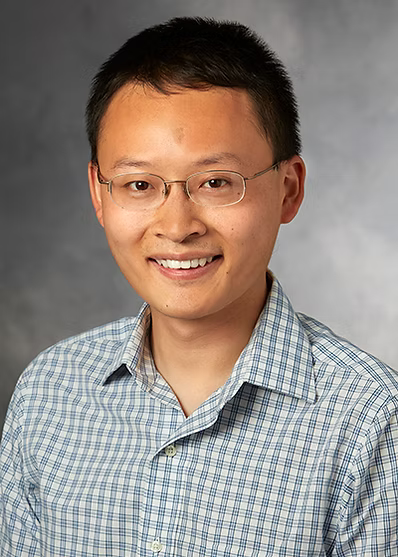
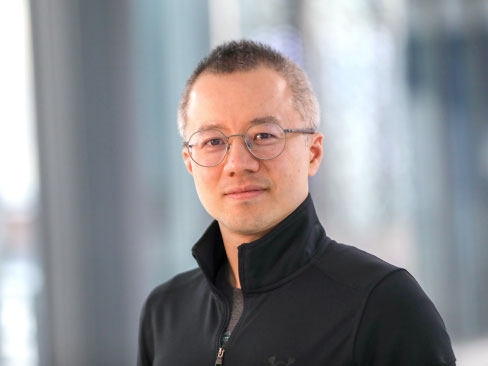
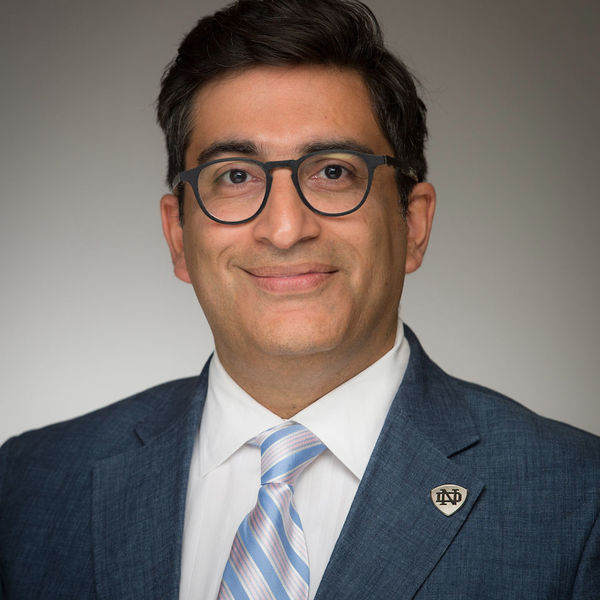
Invited Keynote Speakers
Schedule
Note that our tentative schedule currently has this planned for 13:00-17:00, but we will update accordingly once provided further guidance as to the standardized workshop schedule for KDD’26.
Our program will consist of the following main components:
- Invited keynotes from experts in the field of AI4Science coming from both industry and academia to create a synergistic atmosphere and to stimulate collaborations.
- Contributed research oral talks selected from the set of accepted works into SciSoc Agents & LLMs.
- Future directions panel discussion that will be composed of our keynote speakers given their expertise in this domain.
- Contributed poster sessions both before lunch and after the final remarks to allow all those with works accepted into the workshop to present their work and socialize stimulating new ideas and potential collaborations.
| Time (AoE) | Event |
|---|---|
| 13:00 - 13:10 | Welcome & Opening Remarks |
| 13:10 - 13:50 | Keynote I |
| 13:50 - 14:20 | Contributed Research Oral Talks I |
| 14:20 - 15:00 | Keynote II |
| 15:00 - 15:40 | Break/Poster Session |
| 15:40 - 16:20 | Keynote III |
| 16:20 - 16:50 | Contributed Research Oral Talks II |
| 16:50 - 17:00 | Best Paper Award Ceremony & Final Remarks |
Selection Process
Keynote Speakers & Panelists. The keynote speakers from both academia and industry are planned to be well-recognized in the machine learning and data mining community, especially in the subcommunity focused on LLMs for Science and Society. Some of the invited keynote speakers have already agreed upon, and they have accepted conditional on the acceptance of our proposed SciSoc Agents & LLMs workshop at KDD’26.
Submissions & Review Process. The workshop CFP is for paper submissions that will undergo the standard double-blind peer-review process to avoid biases. We will utilize OpenReview for managing submissions and reviews. We will invite a well-experienced set of program committee members to guarantee each paper submission will be reviewed by at least two PC members.
Presentation Order
In-Person
[To Be Determined after the review process is complete]
Online
[To Be Determined after the review process is complete]
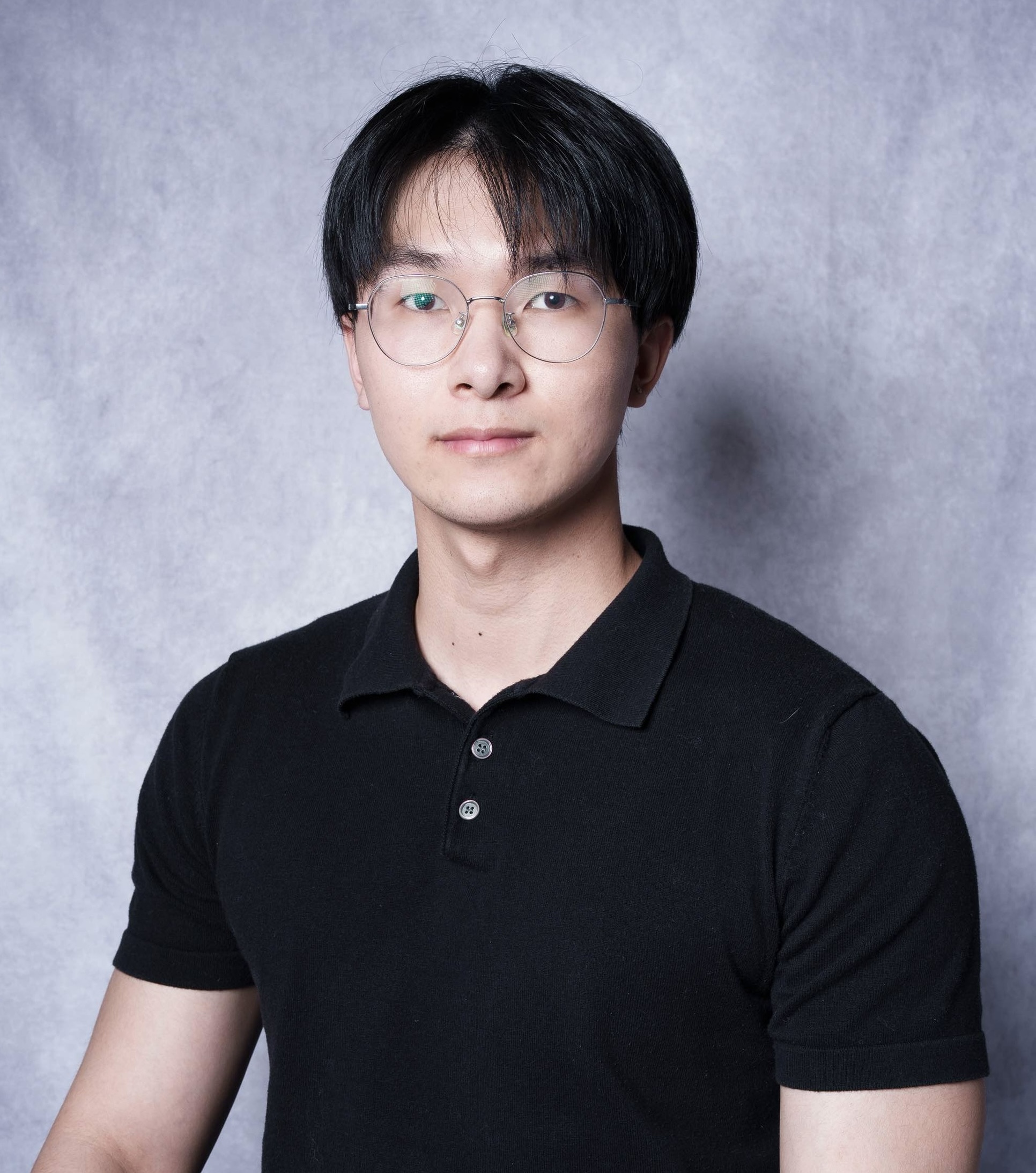
Organizers

Jiayuan Ding
Hippocratic AI
Wei Jin
Emory University

Carl Yang
Emory University
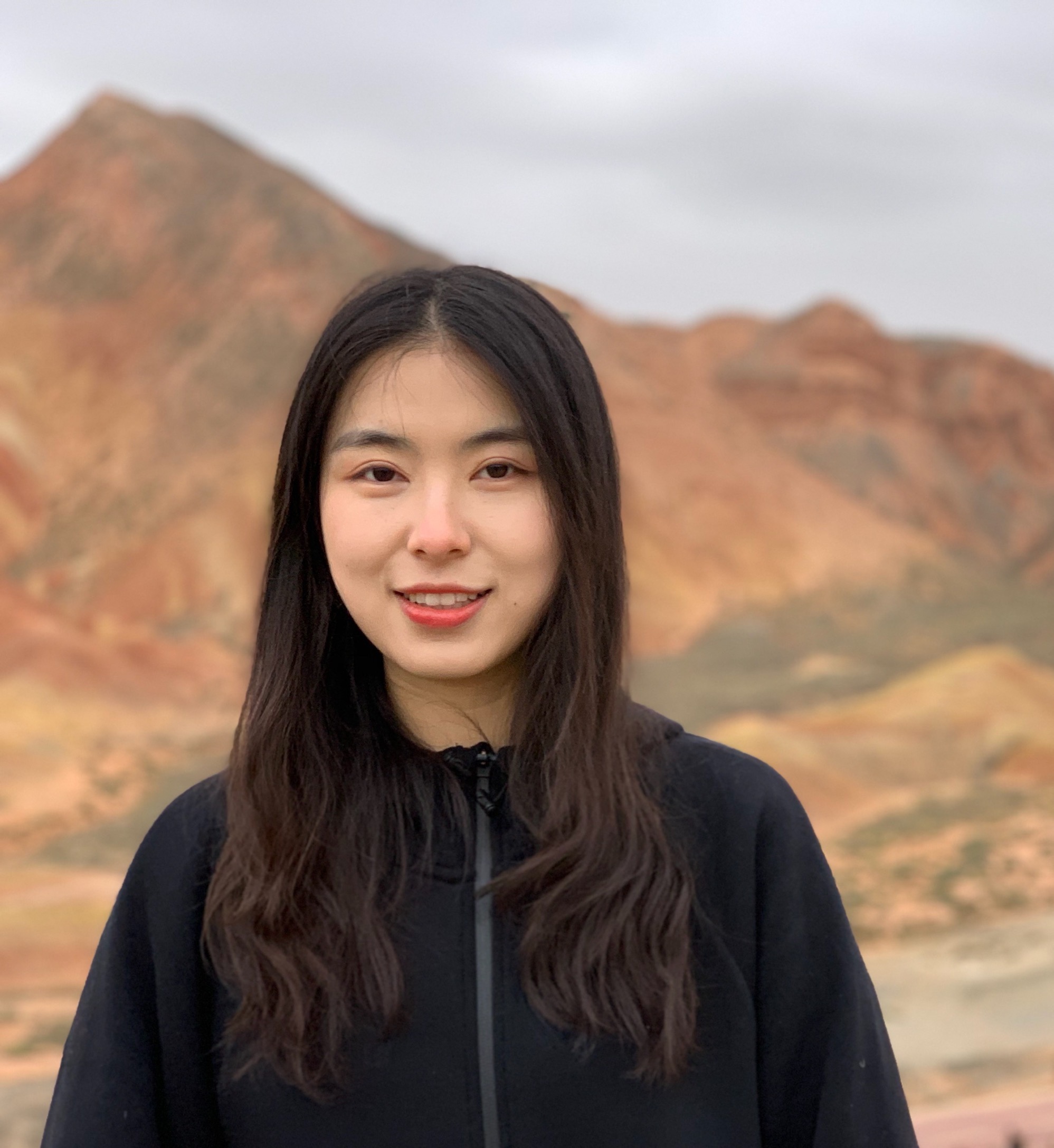
Yixin Wang
Stanford University

Chanyoung Park
Korea Advanced Institute of Science and Technology

Xiangliang Zhang
University of Notre Dame

Jimeng Sun
University of Illinois Urbana-Champaign

Danai Koutra
University of Michigan
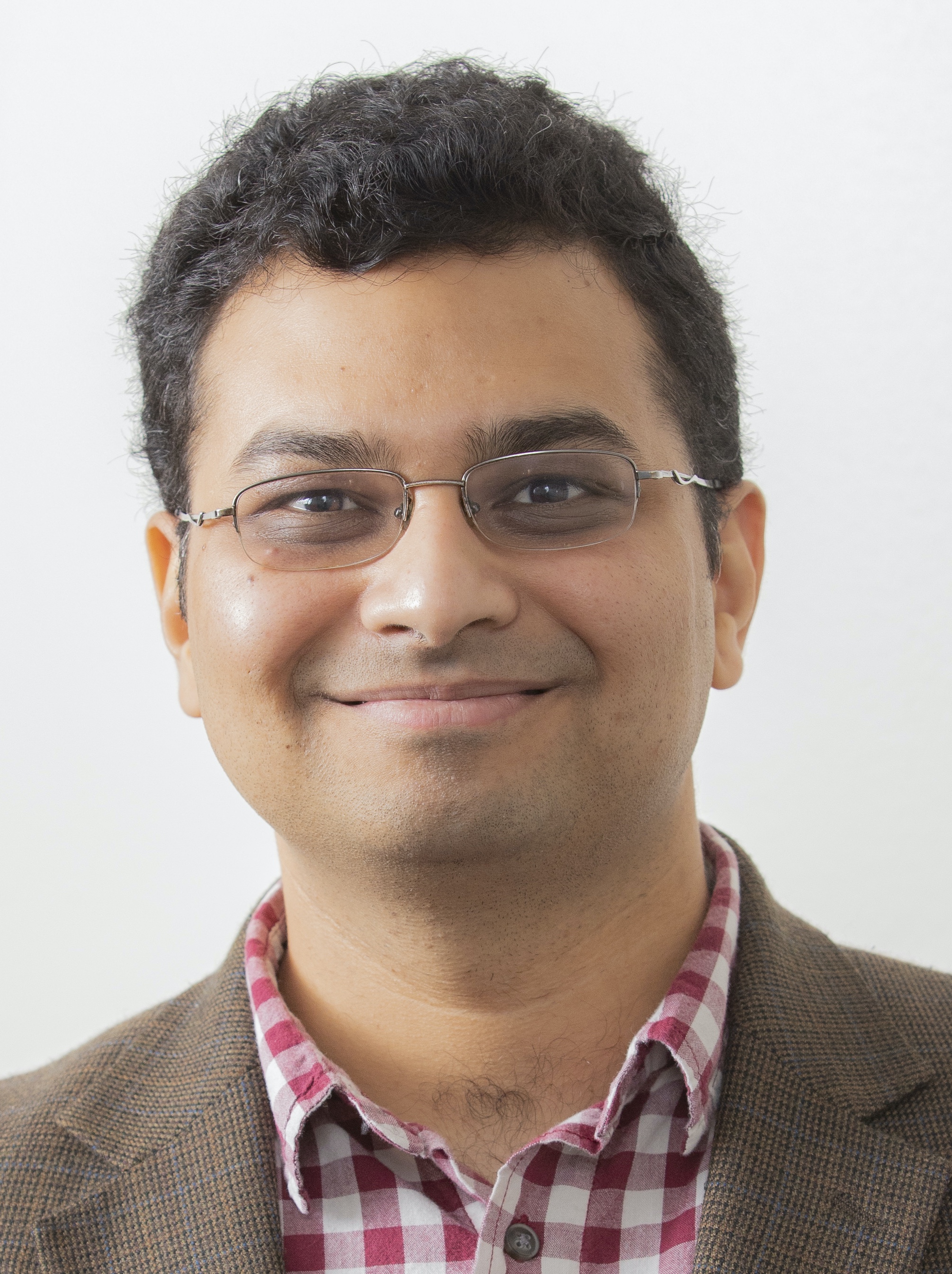
B. Aditya Prakash
Georgia Tech

Yan Liu
University of Southern California
Advisory Committee
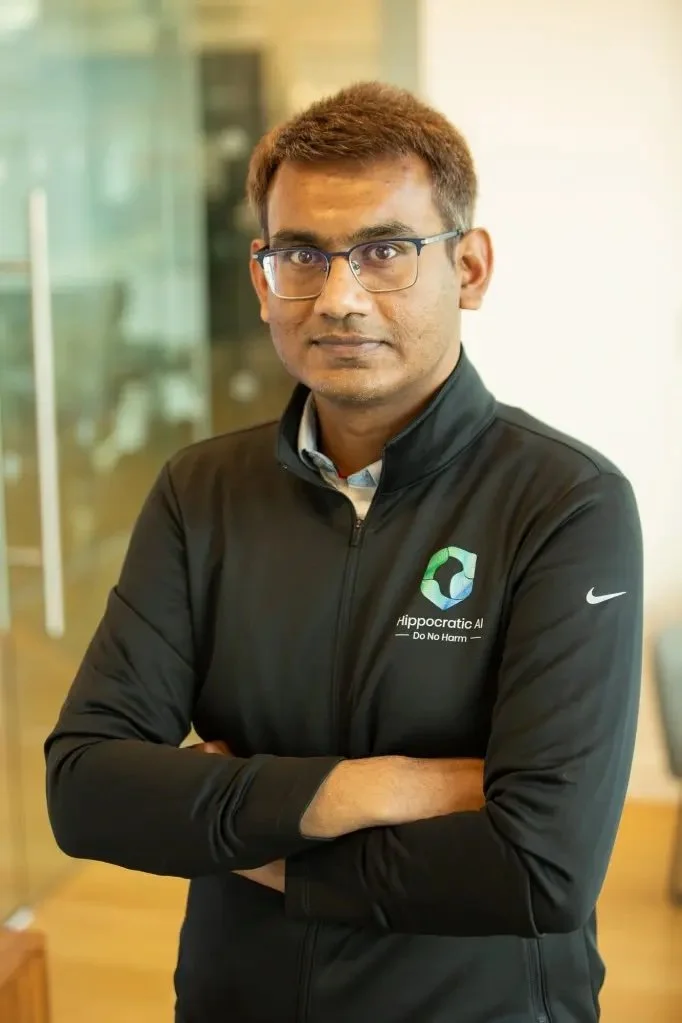
Subhabrata Mukherjee
Hippocratic AI

Heng Ji
University of Illinois Urbana-Champaign
Mohit Bansal
UNC Chapel Hill

Aidong Zhang
University of Virginia
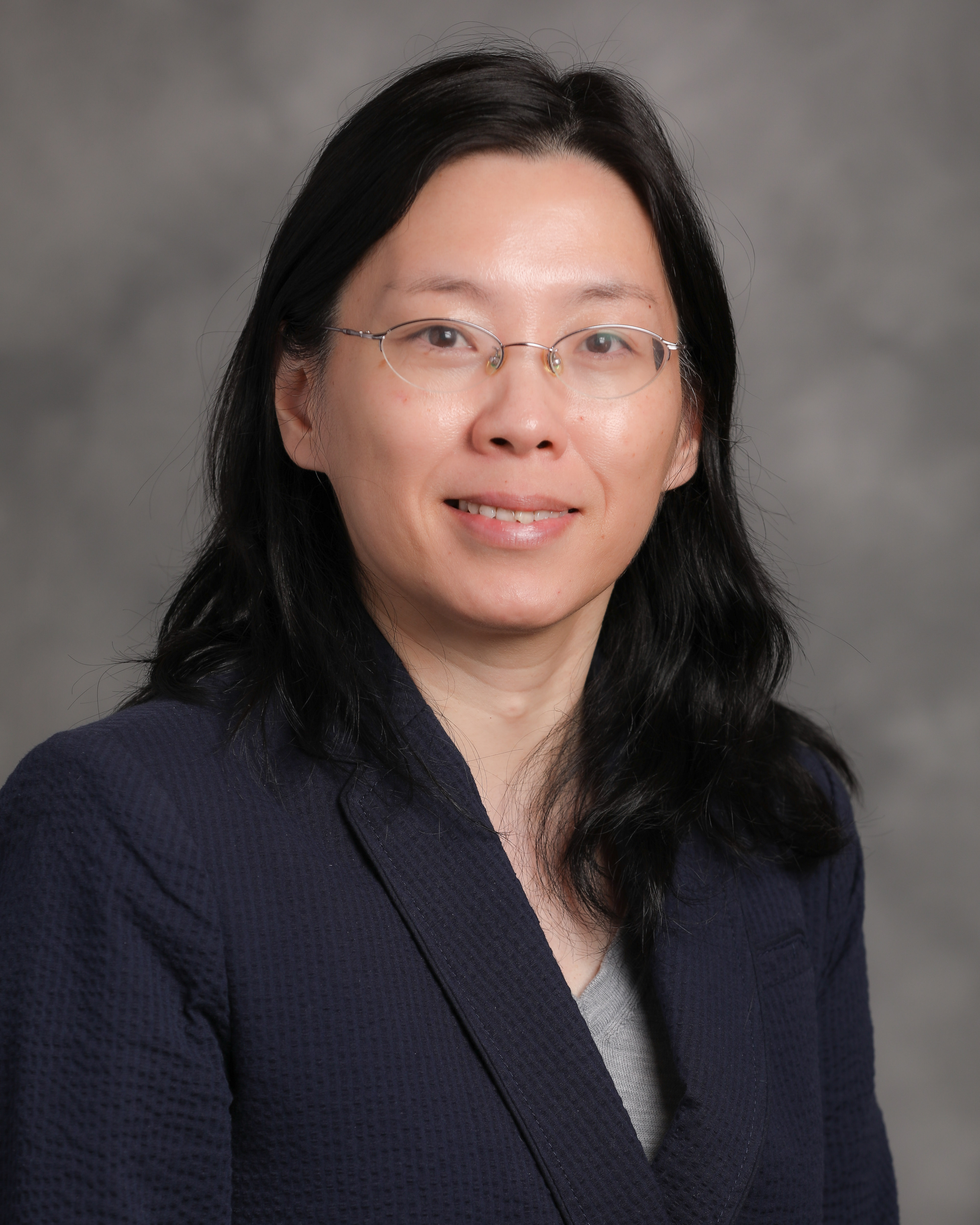
Wei Wang
University of California, Los Angeles
Web Chairs
Program committee
We thank the following reviewers for providing thorough and constructive feedback on submissions to the workshop: